
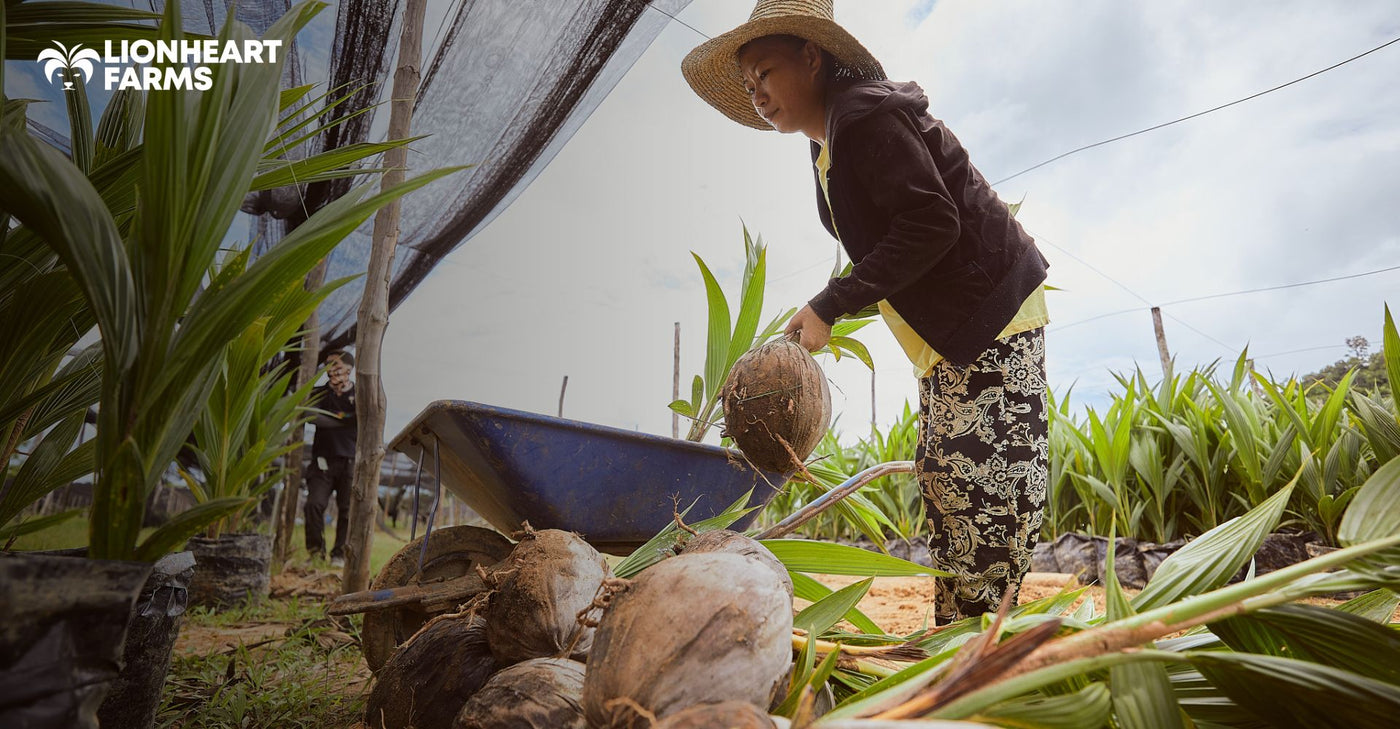
The Importance of Knowledge in Philippine Coconut Farming
Cultivating knowledge is crucial for the growth and sustainability of agricultural practices, particularly in the coconut sector of the Philippines. As global challenges like climate change, food security, and economic disparities intensify, empowering farmers through education becomes not just important, but imperative.
The Philippine Coconut Industry: A Vital Economic Pillar
The coconut industry stands as a cornerstone of the Philippine economy, providing livelihoods for millions of families. However, many coconut farmers find themselves trapped in a cycle of economic hardship, struggling to sustain their livelihoods amidst growing challenges. This article explores how education can transform sustainable agriculture in Palawan's coconut farming communities, empowering them to thrive through knowledge and innovation.
Current Challenges in Philippine Coconut Farming Communities
Economic Struggles of Coconut Farmers
- Approximately 50% of coconut farmers earn less than USD 2 per day
- Low wages contribute to financial instability in farming communities
- Lack of education often results in financial illiteracy and less innovative farming practices
Declining Interest in Coconut Farming
- Fewer people are pursuing farming as a career due to perceived unprofitability
- Younger generations
- The coconut sector faces a decline in interest, potentially impacting future production
The Transformative Power of Education in Coconut Farming
Education plays a pivotal role in revolutionizing farming communities, offering numerous benefits that lead to sustainable agricultural practices. By equipping coconut farmers with essential knowledge and skills, education empowers them to make informed decisions and improve their livelihoods.
1. Enhancing Agricultural Knowledge and Skills for Coconut Farmers
- Training programs can increase smallholder farmers' productivity by up to 30%
- Education helps farmers adopt effective practices like integrated pest management and crop rotation
- Philippine farmers who received training reported significant improvements in coconut yields, leading to better food security and higher incomes
Education equips farmers with essential knowledge about modern agricultural techniques, significantly boosting productivity. By providing these critical skills, education is key to building a more productive and resilient agricultural sector.
2. Promoting Sustainable Coconut Farming Practices
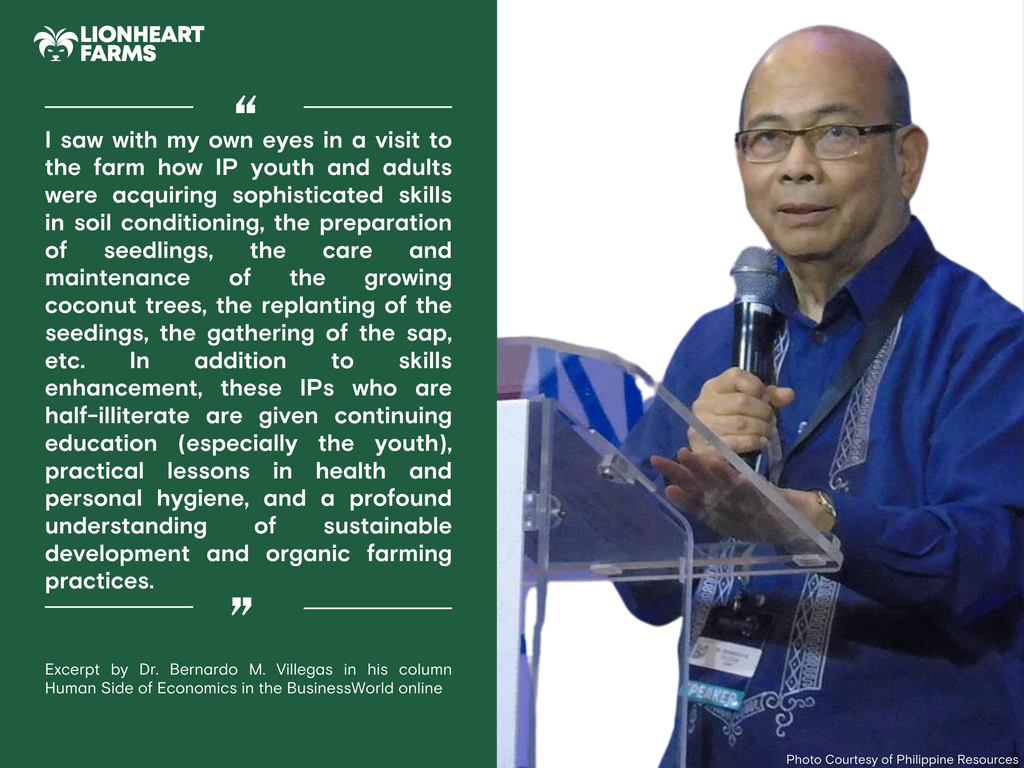
- Training programs equip farmers with knowledge about techniques that enhance soil health, conserve water, and promote biodiversity
- Workshops on regenerative agriculture teach methods like crop rotation and organic pest management
- Educated farmers are more likely to adopt sustainable practices, benefiting both their livelihoods and the environment
Education is essential for advancing sustainable farming practices. For example, workshops like the Biochar Production and Business Case, and trainings by Lionheart Academy on regenerative agriculture teach farming innovative methods like crop rotation and organic pest management, leading to improved productivity and resilience against climate change. By fostering continuous learning, communities can empower farmers to implement effective, sustainable solutions.
3. Improved Land Use and Resource Management in Coconut Farms
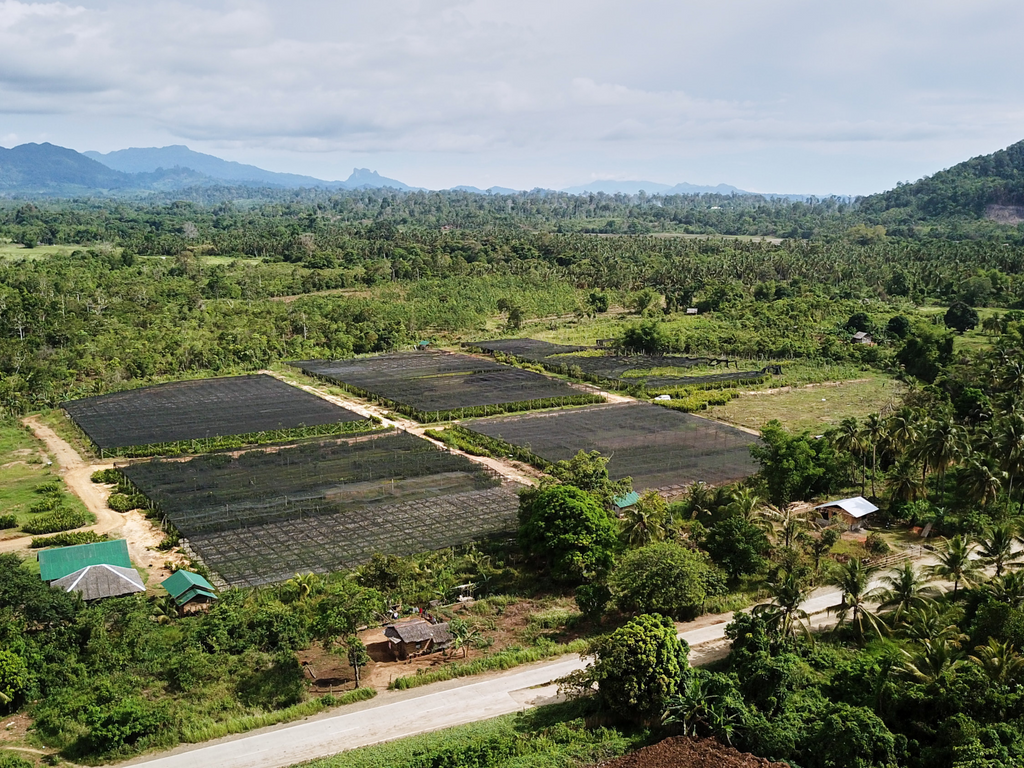
- Targeted training programs teach farmers about sustainable practices that restore degraded lands and boost soil fertility
- Implementing sustainable land practices can lead to a 50% increase in productivity over time, significantly benefiting rural economies according to the FAO
- Improved resource management leads to greater income and food security for coconut farming communities
Education plays a vital role in enhancing land use and resource management among farmers. By prioritizing education, farmers can make informed decisions that benefit both their livelihoods and the environment.
The Lionheart Academy: A Case Study in Farmer Education
Education in agriculture isn’t just an option. It is essential for sustainable development. Coconut farming communities in Palawan are facing many challenges, and investing in education can really make a difference. By giving farmers the knowledge and skills they need, we can boost productivity, encourage sustainable practices, and improve the lives of many families.
In Lionheart Farms, the Lionheart Academy exemplifies the power of education in empowering coconut farmers:
- Provides training in sustainable agricultural practices
- Equips farmers with essential skills in natural composting and pest management
- Enhances productivity and income while promoting environmental sustainability
Conclusion: Education as the Key to Sustainable Coconut Farming
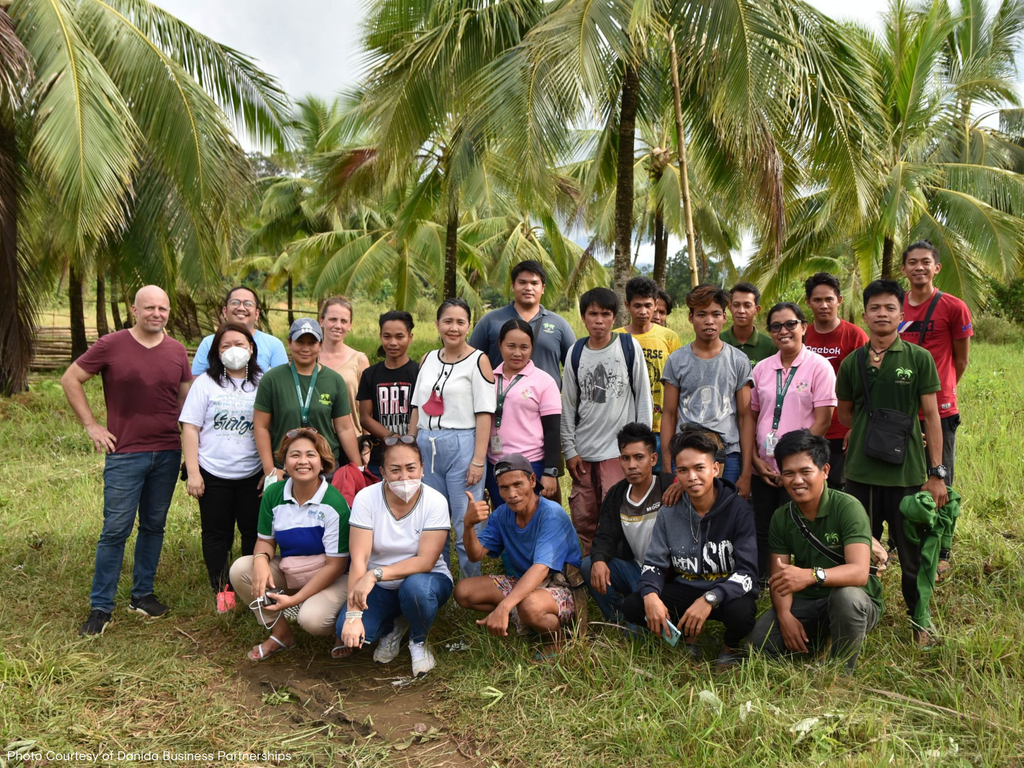
Investing in education is essential for the sustainable development of the Philippine coconut industry. By providing farmers with the knowledge and skills they need, we can:
- Boost productivity in coconut plantations
- Encourage sustainable farming practices
- Improve the lives of many farming families
The path to sustainable agriculture in the Philippines starts with education. Embracing educational initiatives unlocks the full potential of the coconut sector, paving the way for a sustainable and prosperous future for all stakeholders in the industry.